
Agriculture and agribusiness
Business continuity planning for Queensland agriculture and agribusiness.
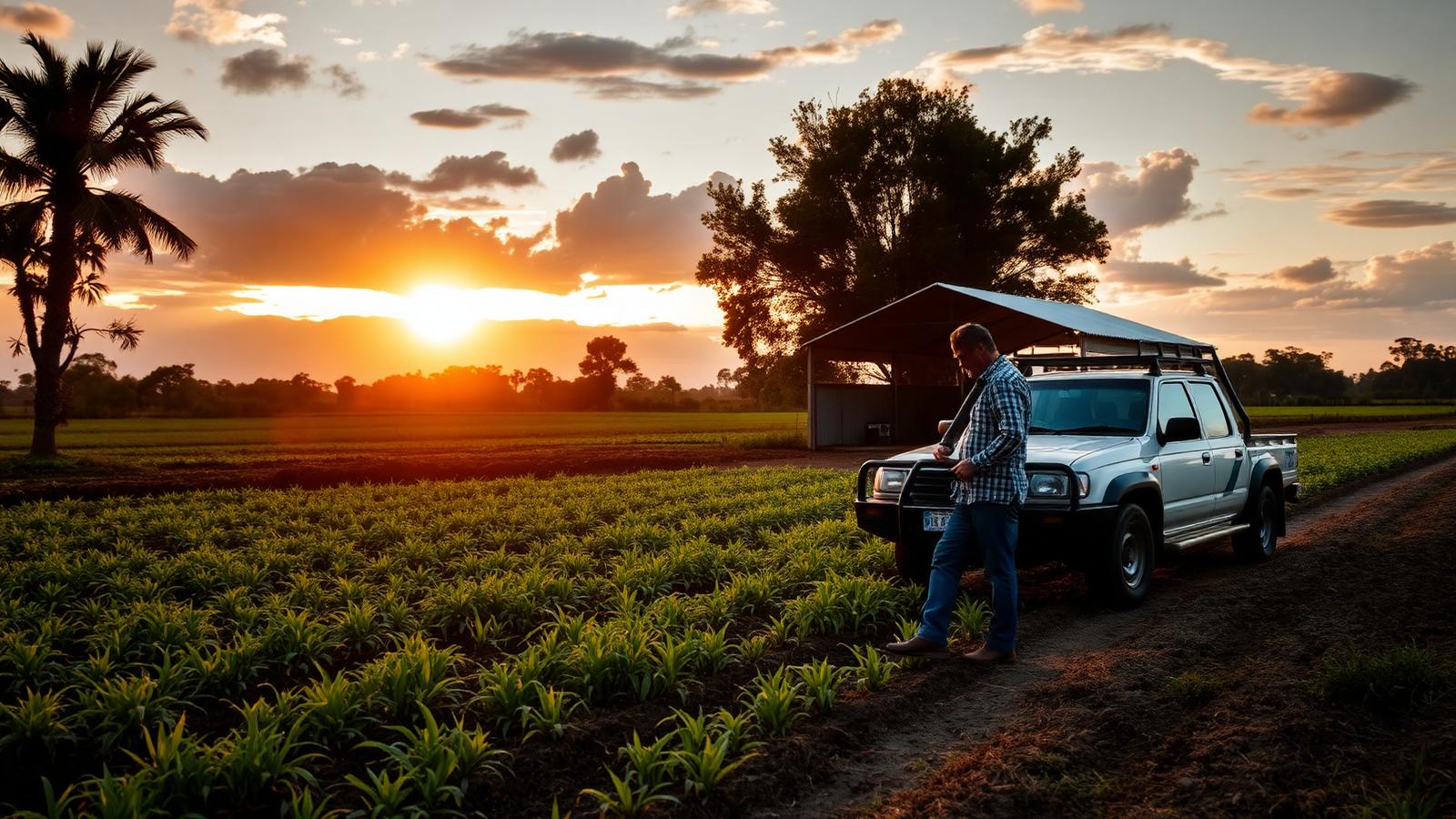
A continuity plan for a Queensland farm or agribusiness needs to cover flood and drought, cold chain failure, biosecurity incidents and seasonal labour gaps, because the sector's disruptions are largely predictable in type even when their timing is not. Producers who write down decisions in advance, such as when to move stock or shut down irrigation, make better calls when a flood warning actually arrives.
Seasonal
Most agribusiness disruption follows known wet season, cyclone and harvest-timing patterns
Hours
Typical window before a cold chain failure starts costing perishable stock
1 route
Many regional producers depend on a single road or bridge for market access
The state of play
Where Queensland agriculture and agribusiness sits right now.
Queensland's agriculture sector spans grazing and cropping across the west and Darling Downs, sugar and horticulture along the coast, and a substantial cold chain and processing layer moving produce to domestic and export markets. Producers operate against a backdrop of genuinely variable conditions, from drought cycles that stretch budgets over years to flood and cyclone events that can wipe out a season's work in days, which makes continuity planning less about rare events and more about disciplined preparation for known seasonal risk.
What actually stops you trading
The disruptions that hit this sector hardest.
Flood cutting road or transport access
A flooded causeway or closed bridge can cut a property off from market access during a critical harvest, mustering or delivery window. Producers with an alternate route, a pre-arranged local contact for stock agistment, or flexibility built into supply contracts absorb the disruption far better than those without.
Cold chain and refrigeration failure
A power outage or equipment fault in cold storage can spoil perishable produce or dairy stock within hours. A tested backup generator and a clear triage list of which stock to save first if capacity is limited make the difference between a manageable loss and a total one.
Biosecurity incident or notifiable disease event
A pest, weed or disease incursion triggers reporting obligations under the Biosecurity Act and can halt stock or produce movement while an investigation runs. A written response plan covering isolation, reporting contacts and record-keeping speeds up both containment and any compensation process.
Cyclone or severe storm damage to infrastructure
Wind and flood damage to fencing, sheds, irrigation infrastructure or processing facilities can take weeks to repair and disrupt operations well beyond the storm event itself. Pre-season checks and a prioritised repair list shorten that recovery window.
Seasonal labour shortage
A shortfall in seasonal or contract labour at harvest or mustering time can cost more in lost production than almost any other single disruption. Producers with backup labour hire contacts and flexible harvest timing arrangements manage this better than those relying on a single source.
Drought and water security pressure
Extended dry periods stress both production and cash flow simultaneously, and a documented plan for staged destocking or irrigation reduction decisions, made before the pressure peaks, avoids rushed decisions that cost more in the long run.
Who is asking for a plan
The pressure is already on.
Clients, insurers, regulators and prime contractors increasingly want evidence, not assurances.
Biosecurity Act reporting duties
Producers have a general biosecurity obligation to report notifiable pests, weeds and diseases, and a written response plan helps meet that obligation quickly and with proper records if an incident occurs.
Farm insurance and finance conditions
Crop, livestock and farm business interruption insurers, along with agribusiness lenders, are increasingly asking for evidence of water security planning, on-farm risk management and documented emergency procedures as a condition of cover or finance terms.
Supply contract and quality assurance requirements
Processors, exporters and major retail buyers increasingly require documented food safety and business continuity arrangements as part of supply agreements and quality assurance audits, particularly for horticulture and dairy suppliers.
WHS and Fair Work obligations for on-farm staff
Decisions around evacuating staff or halting work during extreme heat or flood events intersect with WHS Queensland duties and Fair Work obligations, both easier to manage with a clear, pre-agreed policy.
Why planning is worth the afternoon
What it costs to work it out on the day.
A flood-cut road during harvest week does not just delay a delivery, it can cost an entire season's crop if produce spoils waiting for access, or force a distress sale of stock at a fraction of its value.
The financial gap between a planned response and a scrambled one in agriculture is often the difference between a manageable bad year and a debt position that takes several seasons to recover from.
Biosecurity incidents carry a compounding cost: direct production loss, the cost of compliance during an investigation, and reputational damage with buyers if the response looks disorganised.
Producers who can show a fast, documented response typically move through recovery and any compensation process faster than those who cannot demonstrate what they did and when.
Cold chain failures are unforgiving because the loss happens in hours, not days, which means the value of planning sits almost entirely in preparation rather than response.
A generator that has never been run under load is effectively a false sense of security, and that gap is usually discovered at the worst possible moment.
None of this requires abandoning the instinct producers already have for managing seasonal risk.
A continuity plan simply writes down the decisions and contacts that experienced operators already carry in their heads, so the knowledge survives if that person is unavailable, and so triggers for action are decided calmly rather than in the middle of a flood warning.
A realistic morning
A flash flood cutting access during Darling Downs harvest.
A grain and cattle property on the Darling Downs faced a flash flood event that cut the only road to the nearest grain receival point during the peak of harvest week.
Bureau warning issued for heavy rainfall; property manager checks the pre-agreed flood trigger against the local creek gauge.
Decision made to bring forward harvest on the lowest-lying paddocks before the creek is forecast to rise.
Road access confirmed cut; manager activates the alternate route documented in the plan, adding two hours to each delivery run.
Grain receival point contacted using the pre-listed contact to confirm extended delivery hours given the longer route.
Primary road reopens; harvest completes with a three-day delay instead of the week-long delay experienced by a neighbouring property with no alternate route plan.
Because the flood trigger and alternate route were already documented, the property brought forward the most exposed harvest work and kept grain moving via the longer route, losing a few days of efficiency rather than risking spoiled or unharvested crop.
What good looks like
What a plan for agriculture and agribusiness should contain.
How we fix it
One app. Your risks, and what to do about them.
The ResilientQLD app has two modules. The Risk Register works out what could stop you trading. The Disruption Playbooks tell whoever is on shift exactly what to do when it happens. Enter your business once, use it on a phone or a laptop, and export a printed copy for the wall.
Risk Register for seasonal and infrastructure risk
The Risk Register module lets a producer log flood-prone access points, cold chain dependencies and biosecurity exposure in one place, matched to the seasonal pattern of Queensland conditions rather than a generic corporate template.
Disruption Playbooks for flood, cold chain and biosecurity events
Specific playbooks give a manager or staff member the pre-agreed triggers and steps for flood access, cold chain failure and biosecurity response, reducing the number of decisions made under pressure.
Works in the paddock, not just the office
Mobile access means a farm manager can check the flood trigger or contact list from a ute on the property, without needing a laptop or an office connection.
Printable plan for insurers, lenders and buyers
The plan exports as a PDF suitable for a farm insurer renewal, a lender's risk review, or a processor's quality assurance audit request, without rebuilding a document each time.
Questions we get asked
Straight answers.
Do Queensland farms need a business continuity plan?
There is no single law requiring every farm to hold one, but insurer conditions, lender requirements and supply contracts with processors and retailers are increasingly asking for documented emergency and continuity arrangements.
How should a farm plan for flood-related access loss?
Identify every property or route with a single access point, document an alternate route or agistment arrangement, and set a clear trigger, such as a local creek gauge level, for when to act before access is actually cut.
What do I need to report if I find a suspected pest or disease incursion?
Producers have a general biosecurity obligation under the Biosecurity Act to report notifiable pests, weeds and diseases promptly, and should isolate the affected area and keep records while awaiting guidance.
How can a farm protect cold storage during a power outage?
A backup generator sized and tested under actual load, plus a clear priority list of which stock to protect first if generator capacity is limited, are the core protections against cold chain failure.
What is the biggest continuity risk for agribusiness in Queensland?
Flood-related access loss during a critical harvest or delivery window is one of the most consistently costly disruptions, closely followed by cold chain failure and seasonal labour shortages.



Get your plan sorted before you need it.
Most operators finish the first version in an afternoon. Start in the app, or have a 20 minute conversation with us first.