
Construction and contracting
Business continuity planning for Queensland construction and contracting businesses.
A business continuity plan for a Queensland contractor sets out what happens when wet weather, a key subcontractor, freight or a stolen ute takes a site or the whole business offline. It should name your critical activities, your trigger points for standing down a site, and who has authority to make that call without waiting for the owner to answer a phone. Most contractors need four to six pages, not a folder.

10-15 days
typical wet weather stand-down days lost per year on a South East Queensland residential site
48-72 hrs
usual notice window before a declared cyclone affects a North Queensland project
1 in 4
small contractor insurance claims involving plant theft or site damage rather than weather
The state of play
Where the industry sits right now.
Queensland construction is running two speeds at once. Brisbane 2032 venue and precinct works, the Coomera Connector, the Bruce Highway upgrade program and a wall of private residential and commercial jobs are pulling trades and plant hire into a handful of corridors, while regional and remote contractors are competing for the same subcontractors and steel, timber and precast supply. That competition means a sick supplier or a subcontractor who walks off one job to chase a bigger rate elsewhere is no longer a rare event, it is a standing risk that most builders carry without writing it down anywhere.
What actually stops you trading
The disruptions that hit this sector hardest.
Wet weather stand-downs
Extended rain shuts a site, delays a pour, or turns an access track to a rural block to mud. Without a pre-agreed trigger for standing crews down and a plan for who gets told and when, a builder loses both the day and the trust of a client watching the program slip with no explanation.
Subcontractor and supply failure
A single-trade subcontractor going into administration, or a precast, steel or timber supplier missing a delivery window, can stop a program dead. Head contractors who have not identified their two or three genuinely irreplaceable suppliers usually only discover the dependency once it has already cost them a fortnight.
Plant and site theft
Generators, tools, fuel and small plant walking off unattended sites is a routine cost of doing business in Queensland, and a theft the night before a critical trade arrives can cost more in delay than the replacement value of the gear.
Key person loss
A supervisor, estimator or licensed tradesperson leaving, being injured or being unavailable at short notice removes irreplaceable project knowledge. Many small and mid-size builders run entire jobs through one person's head, with no handover document anywhere.
Bruce Highway and regional freight closure
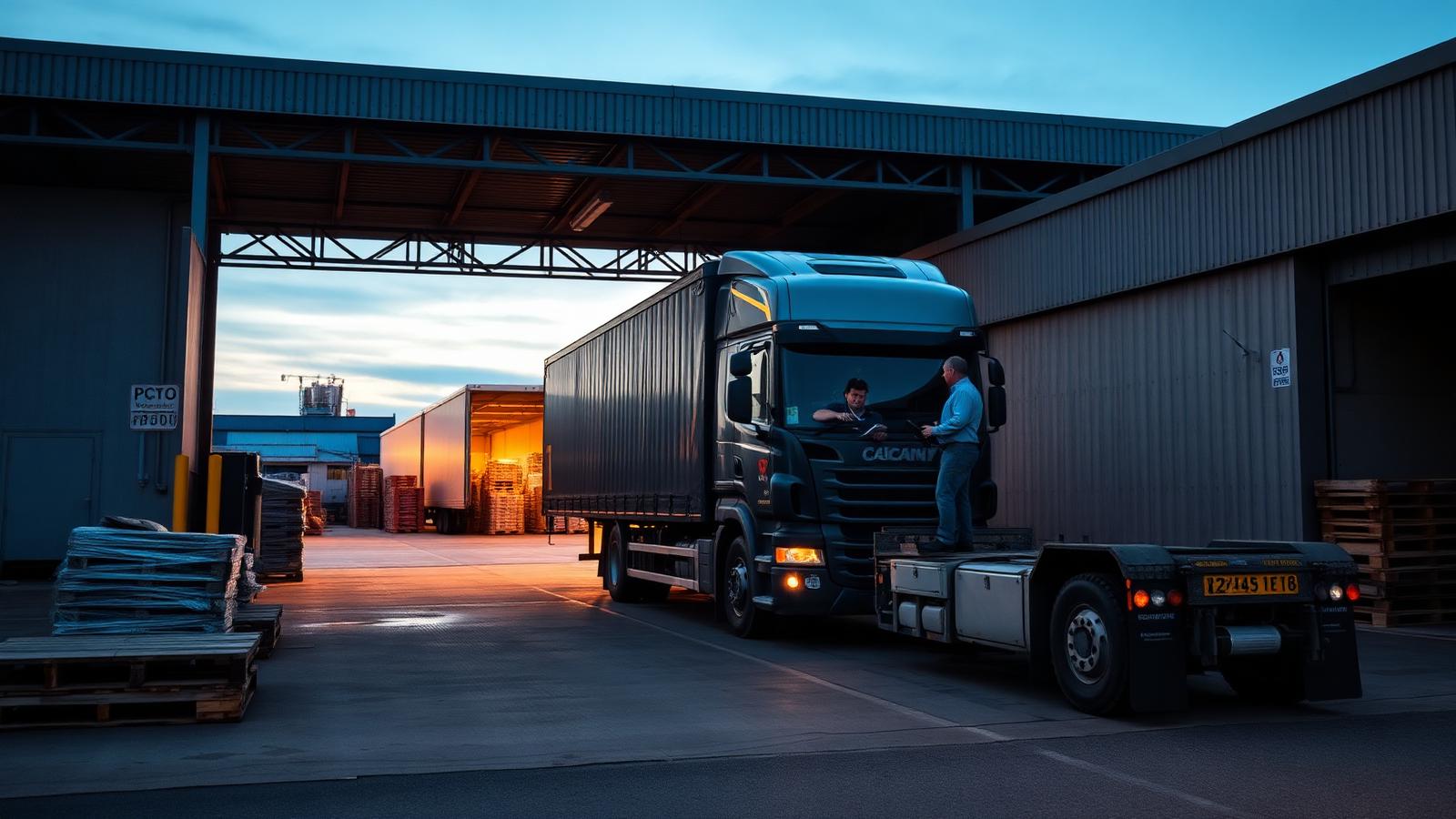
Flooding or a serious crash closing the Bruce Highway or a regional access road can stop material deliveries for days, particularly for projects north of the Sunshine Coast or west of the range. A builder with a single-supplier freight route has no fallback until the road reopens.
Payment fraud and system compromise
Business email compromise targeting progress payment requests, or a compromised project management platform login, is now a recognised threat in the sector. A verbal-confirmation rule for any bank detail change is one of the cheapest controls a contractor can put in place, and few have written it down anywhere their office staff can find it.
Who is asking for a plan
The pressure is already on.
Clients, insurers, regulators and prime contractors increasingly want evidence, not assurances.
Head contract and program clauses
Larger head contracts, including many linked to Brisbane 2032 and state infrastructure works, increasingly include continuity, security of supply and incident notification clauses that a subcontractor has to be able to demonstrate compliance with, not just promise.
Contract works and public liability insurers
Underwriters are asking Queensland builders at renewal about site security, plant tracking and business continuity arrangements before pricing cover, and a documented plan can materially affect both premium and excess.
WHS Queensland incident and notifiable event duties
Serious incidents on site carry statutory notification and response obligations. A business with a rehearsed response plan handles the regulatory side faster and with fewer errors than one improvising under pressure.
Client and financier confidence
Banks financing a development and clients paying progressive milestones both want assurance that a delay has a managed response rather than a scramble, particularly on fixed-completion-date contracts carrying liquidated damages.
Why planning is worth the afternoon
What it costs to work it out on the day.
A liquidated damages clause turns a two week wet weather delay into a cash problem, not just a scheduling one, if the contract has no documented process for claiming an extension of time or communicating early with the client.
Builders who have pre-written the notice process and the evidence they need to gather lodge extension claims faster and recover more of the delay cost than those figuring it out after the rain has already stopped.
Plant theft and site downtime rarely make the insurance claim numbers look dramatic on their own, but stacked together across a busy year they are one of the most common reasons a small builder's margin disappears.
A written plan that assigns someone to check site security weekly and keeps an up to date asset register costs almost nothing next to a stolen generator holding up a trade for three days.
Losing a key supervisor or licensed tradesperson without a handover plan is the single most expensive continuity failure in this sector, because it is not insurable and it is entirely preventable with two hours of documentation.
A business that has never written down which subcontractors, suppliers and client contacts sit against each active job finds this out at the worst possible moment.
Clients and financiers increasingly treat a documented continuity approach as a proxy for whether a builder will actually finish the job on time.
In a market as competitive as Queensland construction currently is, a contractor who can show a plan at tender stage has a genuine, if quiet, edge over one who cannot.
A realistic morning
A Sunshine Coast residential builder loses a slab pour to sudden flooding.
A 12-person residential builder working three concurrent jobs on the Sunshine Coast hinterland gets a Bureau of Meteorology severe weather warning on a Tuesday afternoon, with a concrete pour booked for Wednesday morning on their tightest program.
Site supervisor checks the warning against the pre-agreed stand-down trigger in the plan and calls the concrete supplier to push the pour rather than risk a wasted load.
Office manager notifies the client and the building certifier using the pre-written delay message template, avoiding a scramble of unplanned calls.
Access track to the block is confirmed impassable. Supervisor logs the day against the extension of time evidence file the plan told them to start on day one.
Crew is redirected to a second site with indoor framing work ready to go, keeping wages productive instead of standing the whole crew down.
Track dries out enough for access. Pour is rebooked and completed with two days lost instead of the four to five it would have taken to notice the flooding, reschedule concrete and find the crew something to do without a plan.
The builder lodged a clean two-day extension of time claim backed by dated evidence, kept the crew paid on productive work at a second site, and the client received one clear message instead of silence. The business next door on the same road lost five days working out what to do next.
What good looks like
What a plan for construction and contracting should contain.
How we fix it
One app. Your risks, and what to do about them.
The ResilientQLD app has two modules. The Risk Register works out what could stop you trading. The Disruption Playbooks tell whoever is on shift exactly what to do when it happens. Enter your business once, use it on a phone or a laptop, and export a printed copy for the wall.
Risk Register built for multi-site work
Log every active job, its critical trades and its single points of failure in one Risk Register instead of scattered notes, so a stand-down or supplier failure is spotted before it costs a program day.
Disruption Playbooks for site stand-downs
Pre-written playbooks for wet weather, plant theft and key person loss mean whoever is on site that morning, not just the owner, knows exactly what to do and who to call.
On the ute, not in the office
The app works on mobile as well as desktop, so a supervisor standing in the rain at a site gate can pull up the plan on their phone rather than ringing the office for a decision.
A printable plan for tender and insurance
Export a clean PDF continuity plan for only $1,299 first year, then $999 per year to hand to an insurer at renewal or a client at tender stage, without paying a consultant to write it from scratch.
Questions we get asked
Straight answers.
Do Queensland builders need a business continuity plan for insurance?
There is no blanket legal requirement, but contract works and public liability insurers are increasingly asking about continuity and site security arrangements at renewal, and a documented plan can affect premium and excess.
What should a construction continuity plan cover in Queensland?
At minimum it should cover wet weather stand-down triggers, key supplier and subcontractor dependencies, plant and site security, key person handover and a WHS incident response checklist.
How do wet weather delays affect liquidated damages claims?
Most contracts require timely notice and evidence to support an extension of time claim for weather delays. A plan that pre-writes the notice process and evidence to gather makes a stronger and faster claim than reconstructing it after the fact.
How can a small builder protect against subcontractor failure?
Identify which subcontractors are genuinely irreplaceable for each job, keep a fallback contact for each, and build that mapping into the continuity plan rather than discovering the dependency mid-project.
Is Brisbane 2032 making construction risk worse in Queensland?
It is tightening the labour and materials market across the state as trades and plant hire concentrate around Olympic-linked works, which increases the risk of subcontractor and supply disruption for projects outside that pipeline.


Get your plan sorted before you need it.
Most operators finish the first version in an afternoon. Start in the app, or have a 20 minute conversation with us first.